

· By David Olu
Napoleon, Waterloo, and the Bidet for Hemorrhoids
On the morning of June 18, 1815, Napoleon Bonaparte waited several hours before ordering his attack at Waterloo, and one of his own brothers later said a hemorrhoid crisis was part of the reason why. Two centuries later, anyone weighing a bidet for hemorrhoids is dealing with the same basic problem, minus the empire.
The claim comes from Jerome Bonaparte, Napoleon's youngest brother, who confessed the story shortly before his own death in 1860. According to Jerome, Napoleon was suffering from hemorrhoids so severe they had prolapsed and become strangulated outside the body, an agonizing condition that would have made sitting a horse for hours nearly unbearable. Jerome said he was one of only three people who knew about it at the time.
Historians are split on how much weight to give the story. The delay at Waterloo is well documented; French guns didn't open fire until around 11:30 a.m., long after Wellington's army had settled into position, and that gap has been blamed on everything from muddy fields to Napoleon's health. But historian Andrew Roberts, one of the most cited Napoleon biographers, has pushed back hard on the hemorrhoid theory specifically. Roberts points out that Napoleon was dressed and in the saddle by 8 a.m. that day, which he argues undercuts the idea that pain kept the emperor off his horse. Roberts and Waterloo specialist Alisdair White both argue the hemorrhoid explanation has survived less because of the evidence and more because it gives Napoleon's admirers a medical excuse for a military loss.
Real or not as a turning point in European history, the condition itself was real, and it's still extremely common more than two centuries later. Estimates vary depending on how the data is collected, but a review of U.S. digestive disease burden found that hemorrhoids affect close to half of Americans by the time they turn 50. In a given year, the condition sends people to the doctor often enough to account for roughly 4 million outpatient visits, and it lands 603,000 people in the emergency room annually, according to the same federal data. Even the more conservative estimate, a general population prevalence of around 4.4%, still adds up to millions of people dealing with it at any given time.
Why the Bathroom Habit Matters More Than the Battlefield Ever Did
Doctors point to a specific mechanical problem that makes ordinary hemorrhoids worse: dry wiping. Swollen or irritated tissue doesn't respond well to friction, and repeated wiping with dry paper can aggravate the exact area that's already inflamed. It's the same reason a scrape on your arm stings more when you rub a paper towel across it than when you rinse it under a faucet. Water lifts residue away without the scrubbing motion, which is why cleaning with water instead of paper is a common recommendation for people managing hemorrhoid flare-ups, fissures, and general irritation in that area.
That's a small, unglamorous detail buried in medical guidance, but it explains a habit most people never think to question. Wiping is what we were taught to do, not necessarily what's gentlest on the body. Napoleon's generals couldn't have known any of this, obviously; indoor plumbing that could deliver a clean stream of water to a toilet seat was more than a century away in 1815. But the mechanical problem he may have dealt with on horseback is the same one people deal with sitting at home today, just without the empire hanging in the balance.
The Modern Fix Doesn't Need Wiring
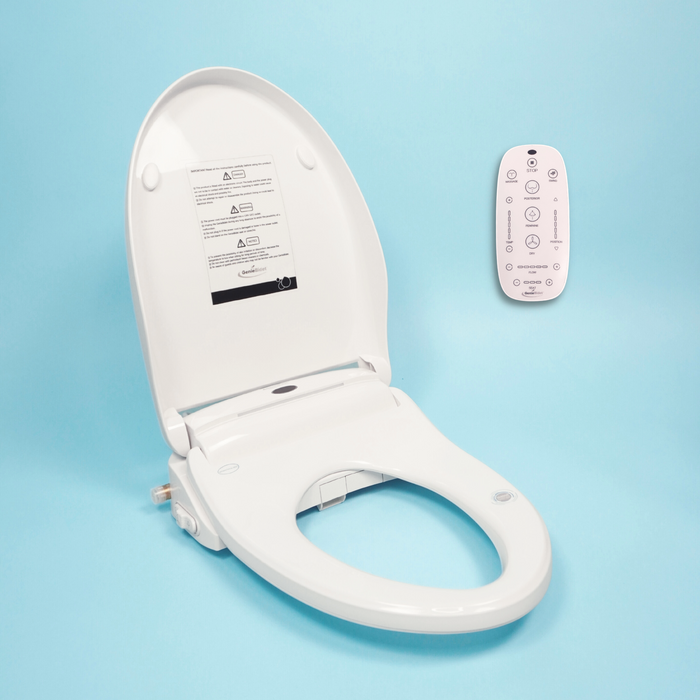
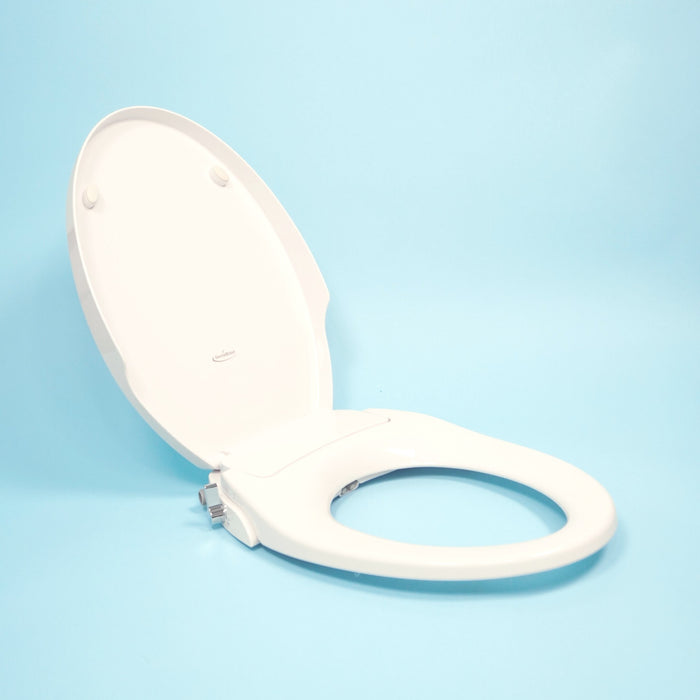
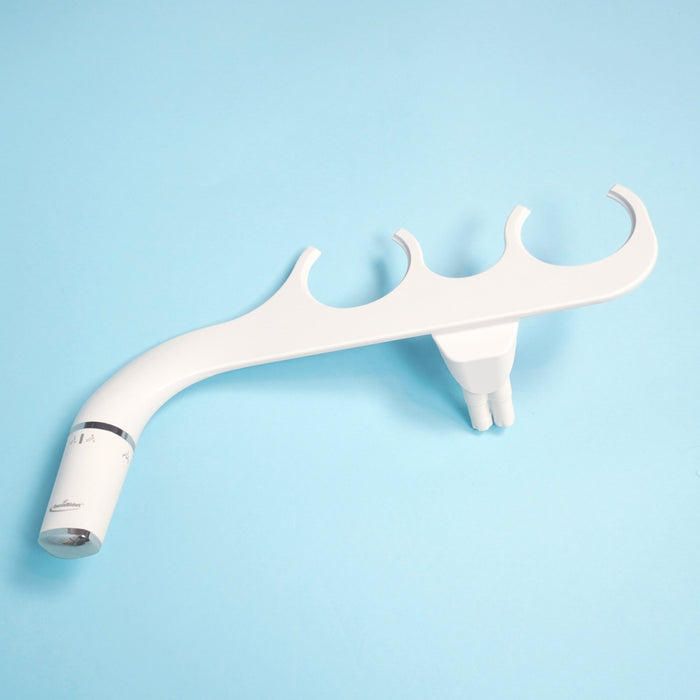
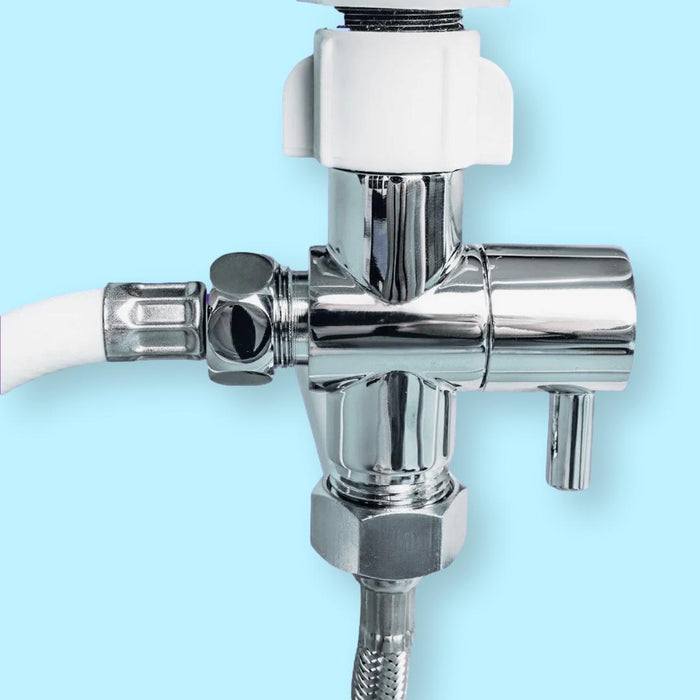
A bidet for hemorrhoids doesn't require heated water, an electrical outlet, or any of the features people associate with high-end Japanese toilets. GenieBidet's attachment fits under an existing toilet seat, taps into the cold water line already running to the toilet, and installs in about 15 minutes without a plumber. The water runs at ambient, room temperature, straight from the supply line, with adjustable pressure so the spray can be gentle on sensitive or irritated tissue rather than harsh. There's no wiring, no batteries, and no remote to program; it's a mechanical valve and a nozzle, not a smart device.
For anyone managing hemorrhoid discomfort the way millions of Americans do every year, swapping dry paper for a rinse is a low-effort change with an outsized effect on comfort. It won't rewrite the outcome of a 19th-century battle, but it solves the same basic problem a lot more easily than Napoleon ever could have.
This article is for general information only and isn't medical advice. Talk to a doctor about persistent or severe hemorrhoid symptoms.
Consider the GenieBidet toilet attachment if you're ready to make the switch.