

· By David Olu
The Real Bidet Cost of an Electric Seat (Not Just the Seat)
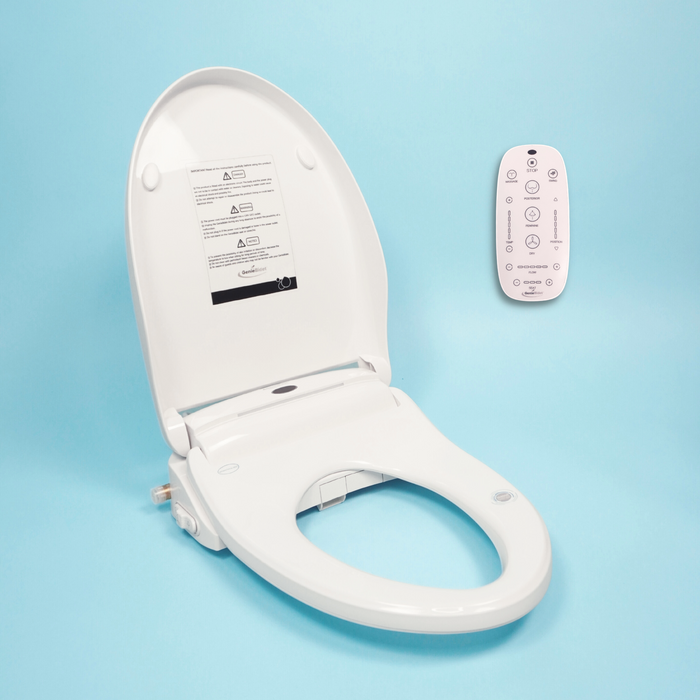
The price tag on an electric bidet seat is never the full bidet cost. If there isn't already a grounded outlet within reach of your toilet, the seat is the cheap part.
The Sticker Price Isn't the Whole Bill
Electric bidet seats typically start around $200 and run $300 to $500 for mid-range models with heated seats, warm water, and remote controls. That price gets you the unit. It doesn't get you power to it, and most listings never mention that gap.
Retailers price these seats the same way they'd price a toaster: one number, ready to plug in. But a toaster doesn't need a new dedicated GFCI circuit installed a few feet from standing water. A bidet seat, by code, does — and that second cost rarely shows up until a buyer is already mid-project.
Electrical code requires any outlet near a toilet to be GFCI-protected, since it's a location where water and electricity are close together. If your bathroom doesn't already have one within cord's reach of the toilet, you're now pricing out an electrician, not just a seat.
The Part Nobody Mentions on the Product Page
Installing a new GFCI outlet runs $150 to $350 on average, according to 2026 pricing data from HomeGuide, with labor making up 70 to 80 percent of that cost. Electricians typically charge $50 to $130 an hour. Even a straightforward swap of an existing outlet for a GFCI-protected one costs $90 to $200 once labor is included, per Angi's 2026 breakdown.
Add that to a $300 electric seat and the real total lands closer to $450 to $650 before you've used it once. And that assumes your bathroom's wiring is already close enough to the toilet to make the job simple — older homes, converted spaces, or bathrooms without a nearby circuit can push the electrician's bill higher still.
There's also the ongoing cost nobody puts in the comparison chart. An electric seat with a heating element draws power every time it's plugged in, not just when it's in use, because it has to keep water warm and ready. It's a small draw individually, but it's a cost the non-electric version never carries at all, since there's no tank of water to keep heated around the clock.
Where the Non-Electric Math Lands
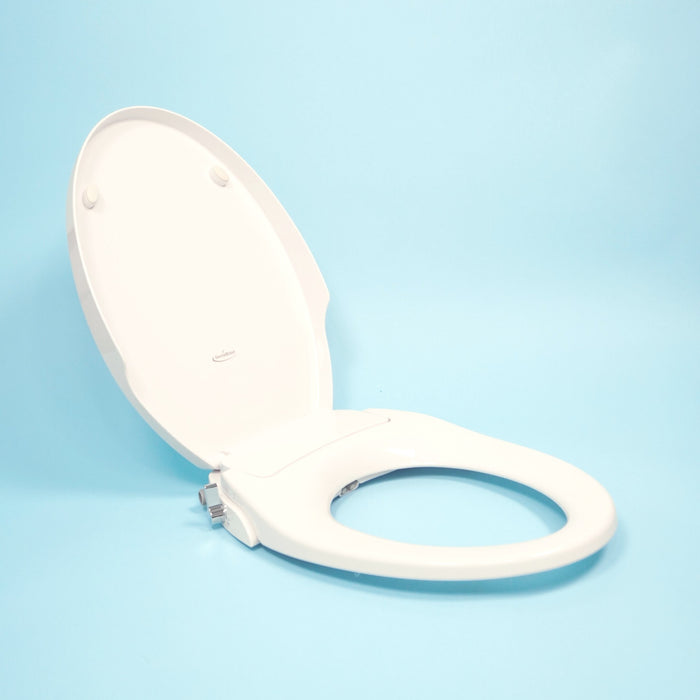
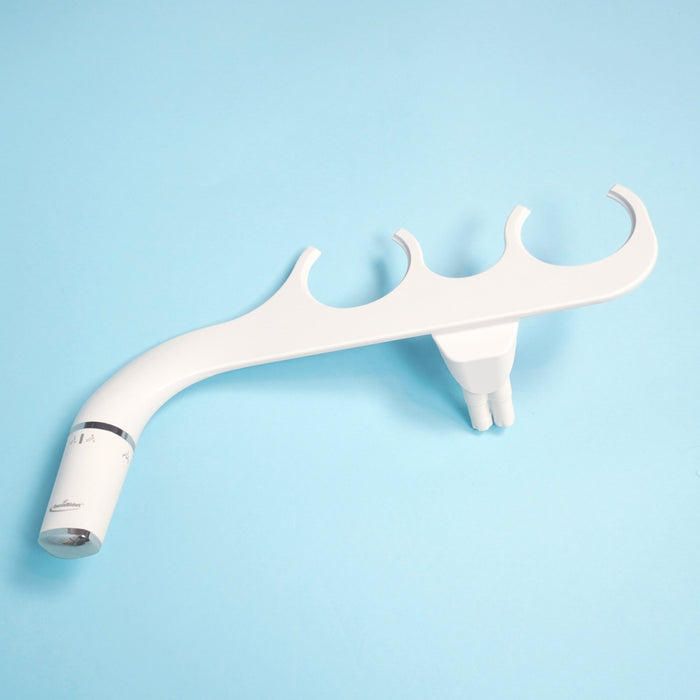
A non-electric bidet attachment sidesteps the electrical work entirely because it runs on your existing water line instead of a power source. GenieBidet's attachment retails for $44.99. Its Classic bidet seat, which mounts and installs like a normal toilet seat, runs $69.99. Even the Stealth seat, its higher-end model, is $105.99 — still less than the low end of a bare electric seat before anyone touches your wiring.
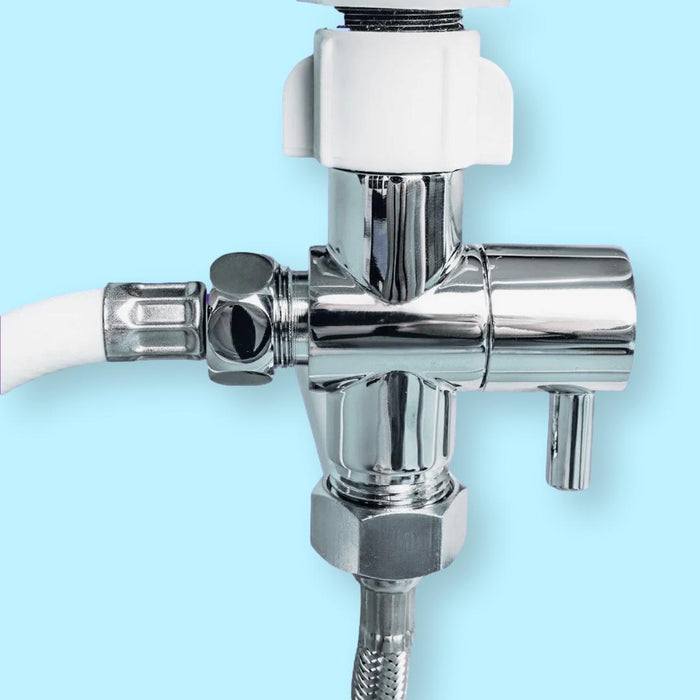
Run the comparison side by side and the gap isn't close. A non-electric attachment costs less than a single hour of electrician labor. There's no outlet to add, no GFCI code requirement to satisfy, and no wiring inspection to schedule. The installation is a T-valve connection to your existing supply line — the kind of 15-minute job most people do themselves with a wrench, not a permit.
For renters, the math tilts even further. A GFCI outlet is a permanent electrical change that most leases won't allow a tenant to make, and even if a landlord agreed, it's not coming out of the security deposit when the lease ends. A T-valve connection unscrews as easily as it went on, which makes the entire cost question moot for anyone who doesn't own the walls they're drilling into.
The Real Question Isn't the Seat Price
Before comparing bidet seats by their sticker price, the question that determines your bidet cost is simpler: does your bathroom already have power near the toilet? If it doesn't, an electric seat isn't a $300 purchase. It's a $300 purchase plus an electrician's invoice you haven't seen yet.
That's the gap a non-electric bidet attachment is built to close. It delivers the same water-based cleaning an electric seat offers, without the heated elements or motor that drove the price up in the first place, and without requiring a single wire run to your bathroom. For most households, that's not a downgrade — it's the same idea Toto's washlets scaled up in Japan decades ago, minus the parts that made it expensive.