

· By David Olu
The $26,138 Bathroom That Forgot the Bidet Toilet Seat
The average midrange bathroom remodel in America cost $26,138 in 2025, and the finished room still leaves you reaching for dry paper. The official job description lists a new tub, new tile, a vanity, a lighted medicine cabinet, and even vinyl wallpaper. It does not list a bidet or a bidet toilet seat.
That detail says a lot about how Americans spend money on bathrooms. We will pay five figures to make the room look new, and then keep cleaning ourselves the same way we did before the contractor showed up.
What $26,138 Buys
The number comes from the 2025 Cost vs. Value Report, published by the Journal of Light Construction. Each year it prices out common remodeling jobs across 119 U.S. markets and estimates how much of that cost comes back when you sell the house.
Its midrange bathroom is a modest room. It starts with an existing 5-by-7-foot bathroom and replaces every fixture. The scope includes a 30-by-60-inch porcelain-on-steel tub with a ceramic tile surround, a pressure-balanced shower control, a standard white toilet, a solid-surface vanity top with a built-in sink, a recessed medicine cabinet with a light, a ceramic tile floor, and vinyl wallpaper.
At resale, the report estimates that job returns $20,915, or about 80 percent of what you spent. That is a solid return for a remodel. It also means you are out roughly $5,000 before counting a single day of use.
Step up to the report's upscale bathroom remodel and the average jumps to $81,612. Only 42 percent of that comes back at sale. Adding a whole new midrange bathroom costs $60,645 and recovers 53 percent.
None of those projects is built around a better way to get clean. They are built around finishes.
The Price of Doing It the European Way
Suppose you want the classic bidet: the separate porcelain fixture that sits beside the toilet in many European homes. HomeGuide, which tracks contractor estimates, puts the unit itself at $250 to $800. Installed, the total runs $700 to $2,600.
The fixture is the cheap part. A standalone bidet needs its own water supply and its own drain. HomeGuide estimates new plumbing lines at $450 to $1,800 per fixture. Plumbers there charge $45 to $150 an hour, and the job typically takes two to four hours. HomeGuide also notes that most cities require a permit when you add a fixture where none existed before.
Then there is the space. A standalone bidet takes up about as much floor as a toilet. In a 5-by-7-foot room that already holds a tub, a toilet, and a vanity, there is nowhere to put it without moving walls, and moving walls is how bathroom budgets turn into kitchen budgets.
The Middle Tier Most People Miss
Between the porcelain fixture and nothing at all sits a much cheaper option: a bidet toilet seat, which replaces the seat you already have. HomeGuide puts bidet seats at $150 to $700 for the seat alone, or $250 to $1,000 if you pay a pro to install it. That range covers electric models too, and those bring a cost of their own. If there is no outlet near the toilet, HomeGuide estimates a new electrical outlet at $150 to $350.
A non-electric bidet toilet seat skips that line item entirely. HomeGuide notes that non-electric seats are typically the most DIY-friendly to install, and that most bidet seat installs take 15 to 30 minutes. No new pipe. No new drain. And because the toilet is already there, you are not adding a new fixture to the room.
On the other side of the ledger, HomeGuide estimates a bidet can save a household $50 to $150 or more per year by cutting toilet paper use. Set that against a remodel that leaves you $5,000 short at resale, and the math starts to look backward.
The Cheapest Upgrade Is Already Bolted Down
Here is the turn. The single most expensive part of adding a bidet is plumbing a new water line to a new spot in the room. But your toilet already has a clean, pressurized water line running to it. It already has a drain. It already has a spot on the floor.
A bidet toilet seat uses all three. You are not adding a fixture. You are upgrading one you paid for years ago.
So before you price out tile, it is worth asking a simpler question: what would change more about your daily routine, a new vanity top or a seat that rinses you clean?
A Bidet Toilet Seat for the Bathroom You Have
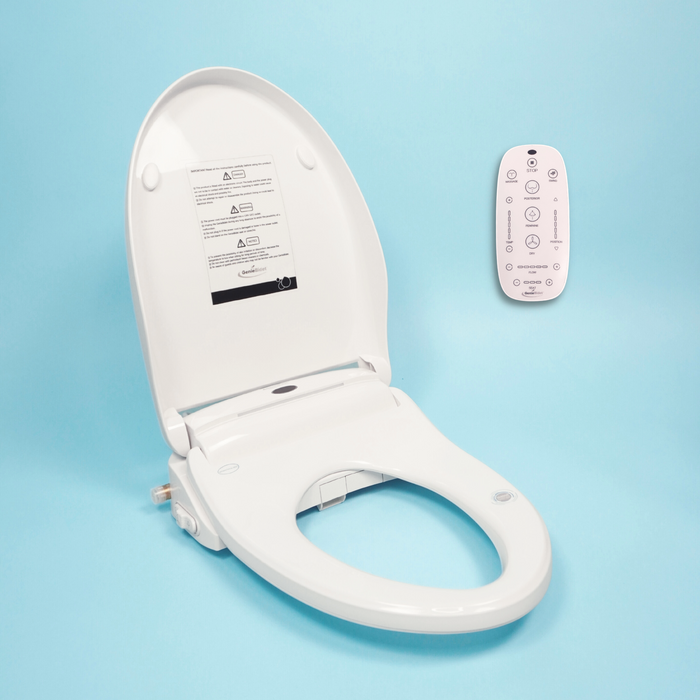
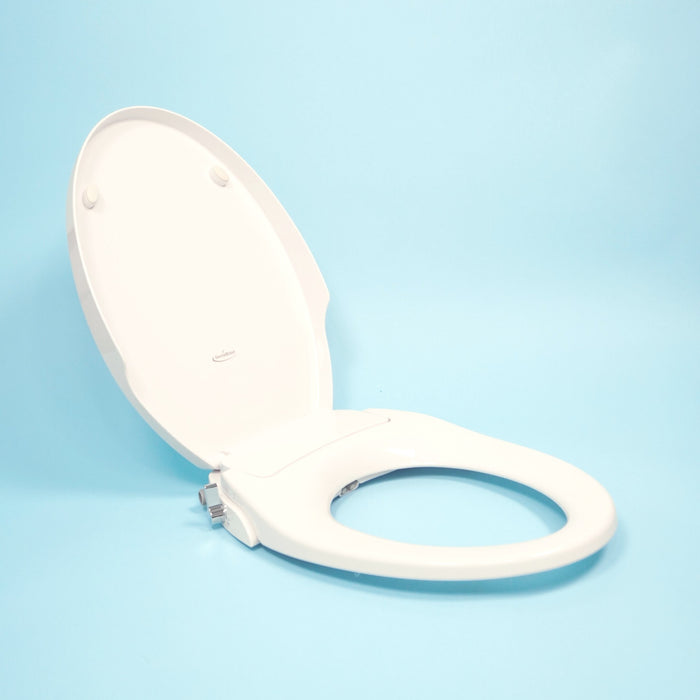
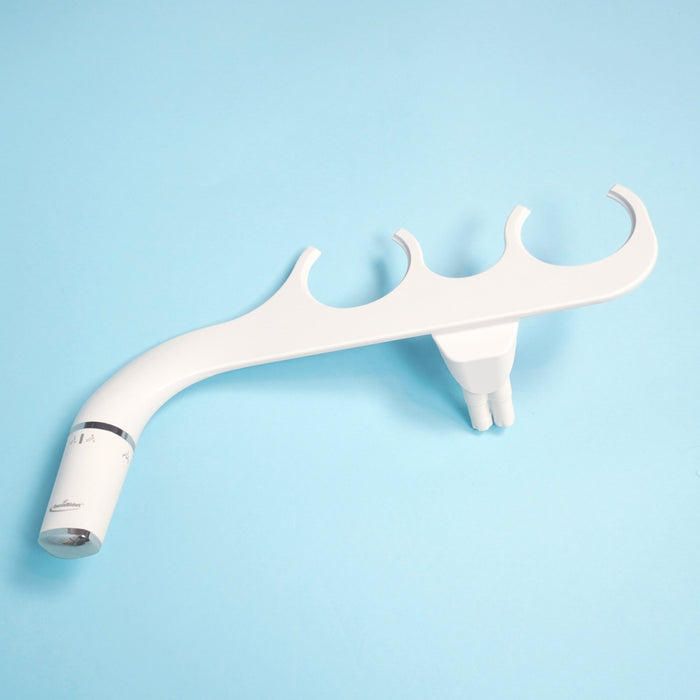
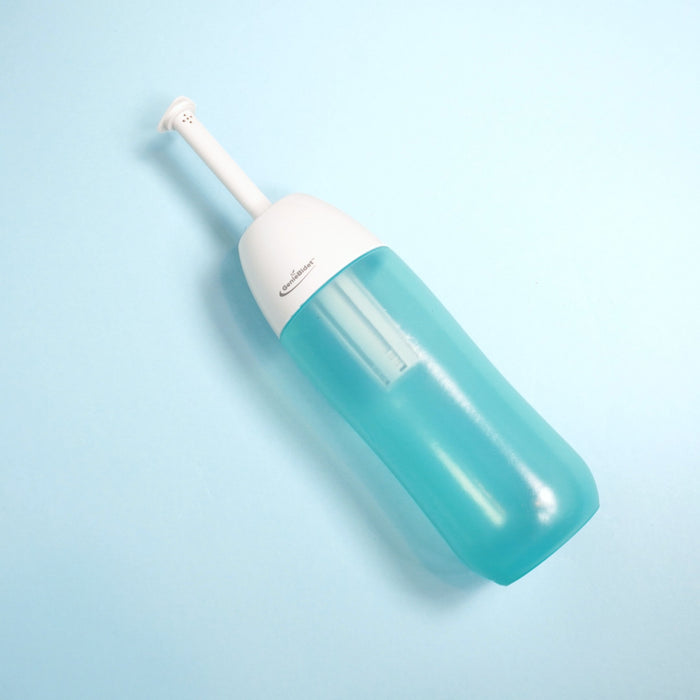
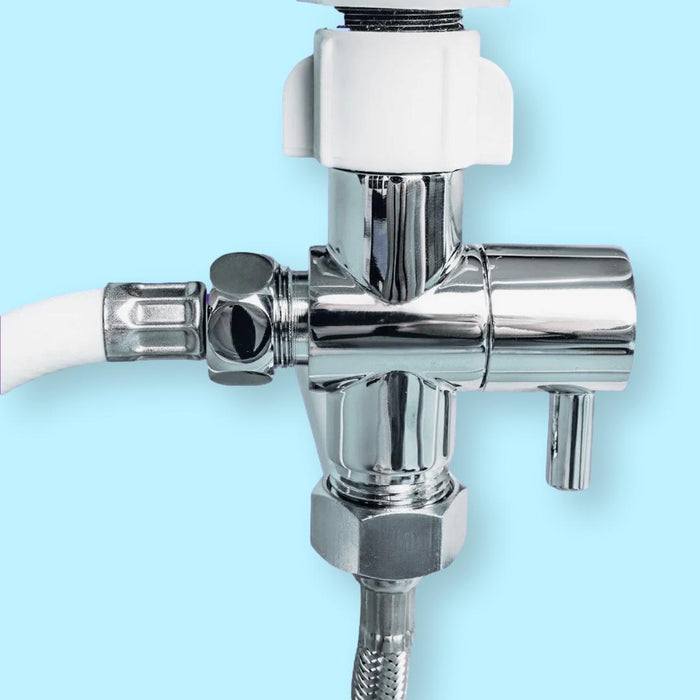
The GenieBidet Classic bidet toilet seat is built for that exact shortcut. It is non-electric and uses room-temperature water from your existing supply line, so there is no outlet, no wiring, and no electrician. It comes in elongated and round sizes, has dual retractable self-cleaning nozzles for rear and feminine wash, and a slow-close lid. It installs like a regular toilet seat, with a hybrid T-connector and a GenieBidet GO travel bottle included.
You can keep the wallpaper. See the GenieBidet Classic seat here.