

· By David Olu
Bidet vs. Wet Wipes: A Fried Chicken Origin Story
The wet wipe was not designed for your bathroom. It was designed for fried chicken grease, and it took about forty years to migrate from the takeout bag to the toilet tank shelf. Any fair look at bidet vs wet wipes should start where the wipe itself started: a 2,500-square-foot loft in lower Manhattan, 1957.
The napkin that came pre-soaked
That year, Arthur Julius, who worked in the cosmetics business, modified a soap-portioning machine and produced something the world had not seen: a disposable napkin sealed in foil, already moistened. He trademarked the name Wet-Nap in 1958 and introduced his invention to the public at the 1960 National Restaurant Show in Chicago.
A cleaning product needs a mess to justify it, and in 1963 Julius found a magnificent one. He began selling Wet-Naps to Kentucky Fried Chicken, whose famous slogan — "Finger Lickin' Good" — was a hygiene problem dressed up as a sales pitch. Colonel Sanders' customers needed to de-grease their hands, and the little foil packet did the job.
For decades, that is what a wet wipe was. A restaurant giveaway. A glove-box staple. The thing your mother produced at picnics like a magician. Nobody was flushing them, because nobody was using them anywhere near a toilet.
The $100 million bet on moist toilet paper
The bathroom came later, and it came expensively. In 2001, Kimberly-Clark launched Cottonelle Fresh Rollwipes — America's first pre-moistened wipe sold on a roll — after spending more than $100 million on research, development, and manufacturing. The company called it the most significant category innovation since toilet paper first appeared in roll form in the 1890s, and supported the launch with more than $40 million in marketing.
The rollout began in the summer of 2001 in the northeastern and southeastern states — a test market covering roughly half the US population. Rollwipes sank anyway. The starter kit cost $8.99 and required a bulky plastic dispenser clipped onto the toilet paper spindle, and shoppers were being asked to announce, via visible bathroom hardware, a habit they preferred not to discuss. The economy slid into recession at the same moment, and one analyst's verdict became famous in business schools: the product hit bottom.
But the idea outlived the product. Wet wipes for adults crept onto shelves in tubs and soft packs, no dispenser required, and a powerful word appeared on the packaging: "flushable."
The word "flushable" goes to Washington
Sewers disagreed with the packaging. Unlike toilet paper, which is engineered to fall apart in water, many wipes are made of nonwoven fabric that holds together long after the flush. In May 2015, the Federal Trade Commission announced a settlement with Nice-Pak Products — the company Arthur Julius built — over four specific claims: that its wipes were safe for sewer systems, safe for septic systems, broke apart shortly after flushing, and were safe to flush at all. The FTC's complaint said the nonwoven wipes did not break down in water in a reasonably short time. The wipes had been sold under store brands like Costco's Kirkland Signature, CVS, and Target's Up & Up. Under the final order, approved that November, the company could no longer call the wipes safe to flush without substantiation.
The plumbing bill kept growing anyway. A 2020 report from the National Association of Clean Water Agencies put the operating cost of wipes to US wastewater utilities at roughly $440 million a year — money spent unclogging pumps and screens, paid through everyone's water rates.
A napkin doing a plumbing job
Here is the part worth noticing in your own bathroom. The rise of the bathroom wipe was driven by an honest instinct: dry paper alone does not leave you feeling clean, and people wanted water involved. The wet wipe is a workaround — a fried chicken napkin drafted into a job it was never engineered for, with a preservative recipe to keep it moist and a disposal problem that reached the FTC.
The direct answer was always plainer: put the water where the cleaning happens.
The fix that never needed a foil packet
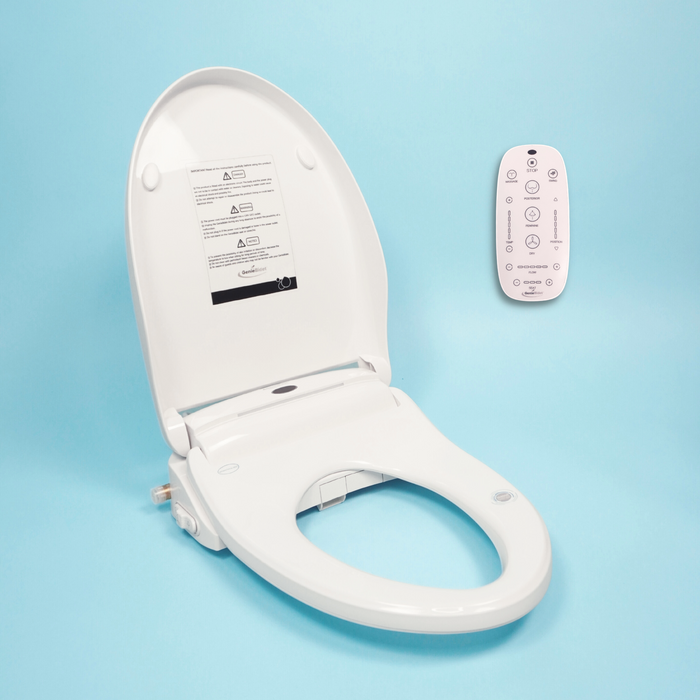
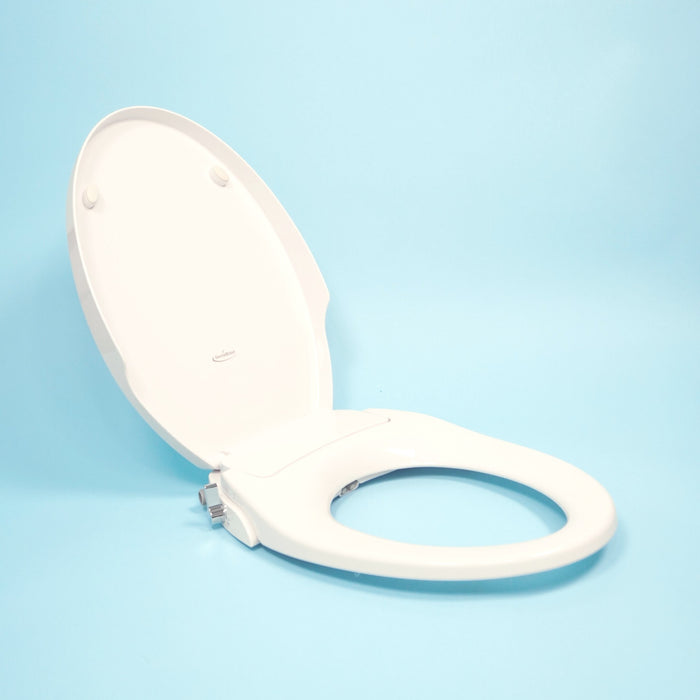
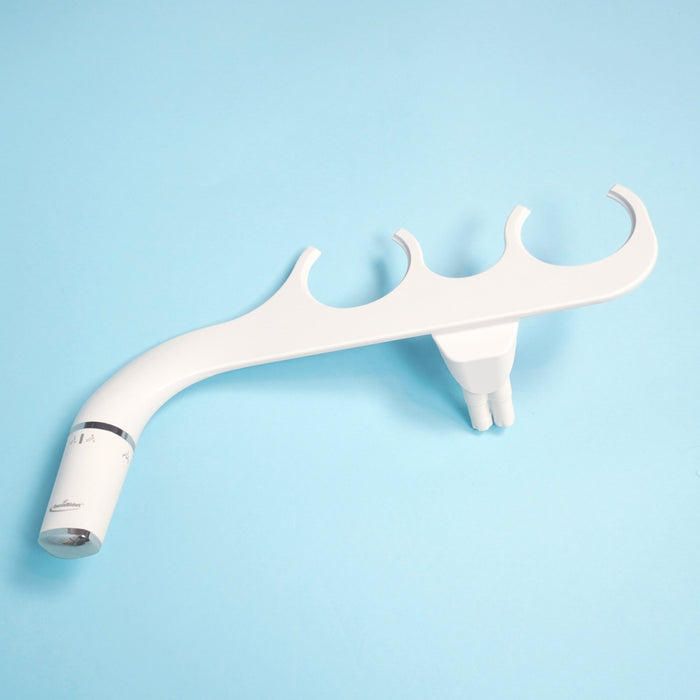
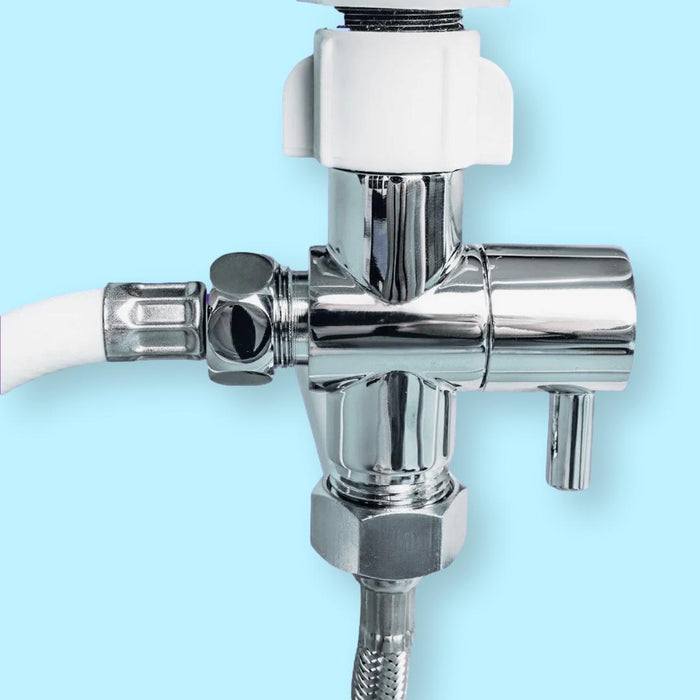
That is the real ending of the bidet vs wet wipes story. A GenieBidet attachment washes with a stream of clean water on ambient household pressure — no electricity, no packaging, no preservatives, and nothing to flush. It installs on a standard toilet in about 15 minutes with a simple T-connector, and it starts at about the price of a few months of premium wipes. Colonel Sanders' customers needed the foil packet. You just need the water line that is already behind your toilet.