

· By David Olu
Bidet vs. Toilet Paper: The 1857 Ad That Decided It
America's first packaged toilet paper wasn't sold as paper. It was sold as medicine. The bidet vs toilet paper question — the one most of the world answered with water — got settled in the United States by a New York salesman with a bold headline and a package of hemp sheets soaked in aloe.
Medicine, Not Paper
In December 1857, a businessman named Joseph Gayetty began selling "Gayetty's Medicated Paper for the Water-Closet" in New York City. The product was a stack of flat sheets made from Manila hemp, moistened with aloe, and pitched as a treatment to help prevent hemorrhoids. Gayetty was so proud of his invention that he had his name watermarked on every sheet.
His advertising did not whisper. One ad declared it "The greatest necessity of the age!" A package of 500 sheets sold for 50 cents, and Gayetty's paper stayed on the market for decades — one of the only commercial toilet papers available in America from the late 1850s into the 1890s.
Notice what happened there. Toilet paper did not enter American life as an obvious hygiene upgrade that beat out some rival method. It entered as a patent-medicine product, sold on a health claim, at a time when most Americans were still using catalog pages and corncobs. There was no national debate about the best way to get clean. There was a product, an ad, and an open market.
Meanwhile, the Rest of the World Used Water
While Gayetty was selling sheets, much of the world had already committed to washing. The bidet had been in use in France since the early 1700s, and water-based cleaning was the standard across large parts of Europe, the Middle East, and Asia — whether by fixture, vessel, or hand sprayer. The idea of finishing a bathroom visit with dry paper alone was, globally speaking, the unusual choice.
But the bidet had no American salesman. Toilet paper did — and soon it had several.
The Roll, the Cameo, and the Drugstore Counter
In the 1890s, the Scott Paper Company became the first to sell toilet paper on a roll, a format change that made the product cheap, quick to use, and easy to dispense. Even then, the product carried a stigma: for years, toilet paper was treated as an unmentionable, something druggists handed over discreetly rather than displayed proudly.
The marketing machine kept working on that problem. In 1928, the Hoberg Paper Company of Wisconsin launched Charmin, with a logo of a woman's face on a cameo pin — a deliberate attempt to make the product feel feminine, soft, and respectable enough for polite conversation.
Splinter-Free Was a Selling Point
Here is the detail that should change how you think about the whole category. In 1935, Northern Tissue ran advertising in Ladies' Home Journal promoting its paper as "splinter-free."
Read that again. Splinter-free. It was a selling point because early toilet paper, made from coarsely processed wood pulp, could contain actual splinters. For roughly the first 80 years of the product's existence, Americans were wiping with paper rough enough that the absence of wood shards counted as a premium feature.
That is the product that won the American bathroom. Not because it was gentler than water — it wasn't. Not because it cleaned better — it doesn't. It won because it was manufactured domestically, advertised relentlessly, and improved just enough, decade by decade, that nobody stopped to ask the original question.
The Debate Nobody Held
Every other hygiene habit in your house went through a technology upgrade. Washing clothes moved from washboard to machine. Washing dishes moved from basin to dishwasher. Washing yourself moved from bucket to shower. In each case, the old method looks obviously primitive in hindsight.
The bathroom is the one room where America skipped the vote. Paper won by default — by showmanship in 1857, by convenience in the 1890s, by branding in 1928, and by the low bar of "no splinters" in 1935. Water never got its hearing.
The Rematch, 169 Years Later
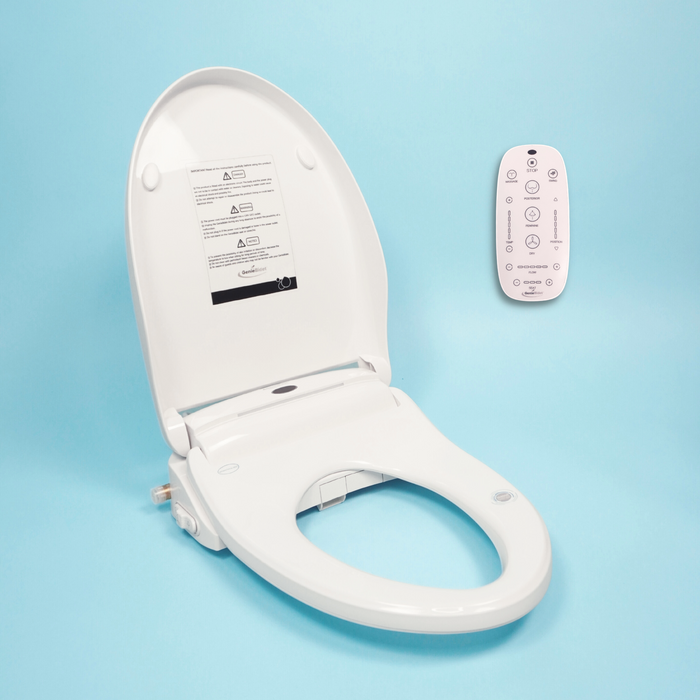
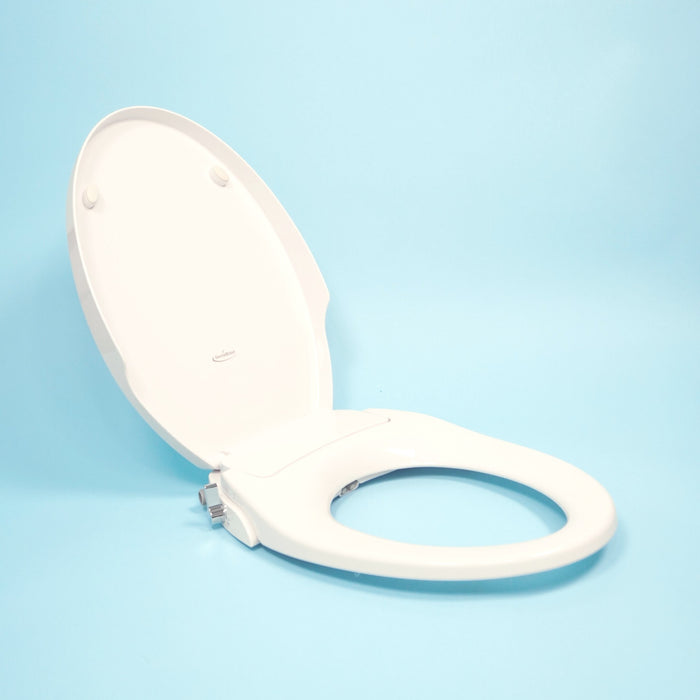
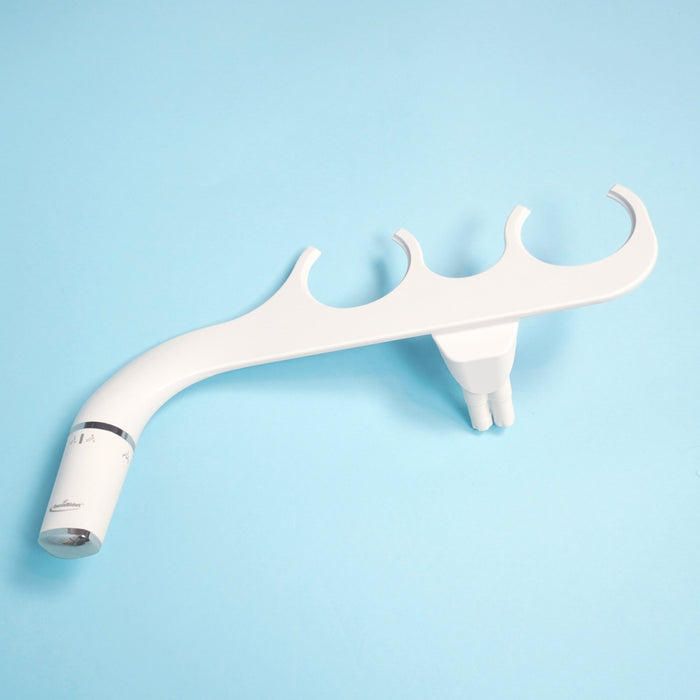
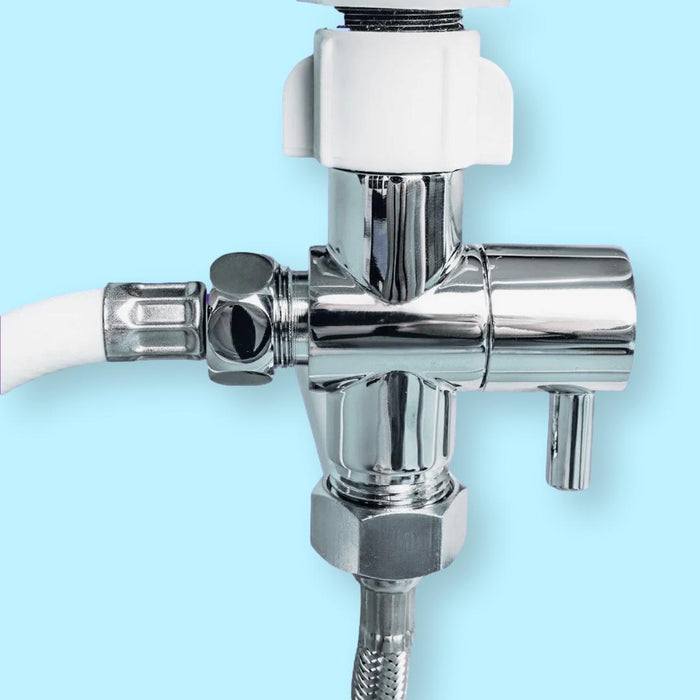
You can hold that hearing yourself for about the cost of a few months of paper. A GenieBidet non-electric attachment fits your existing toilet, installs in about 15 minutes with no wiring and no plumber, and uses ordinary water pressure to do what paper has been approximating since Gayetty's first ad. In the bidet vs toilet paper contest, the American winner was chosen by marketing. Your bathroom can run the fair version of the experiment — see the GenieBidet attachment and judge on the merits this time.