

· By David Olu
Why America Refused the Bidet Attachment
The rest of the world has been washing with water for centuries. America chose dry paper
— and why the bidet attachment never caught on here traces back to a particular type of
building in wartime France.
The bidet predates the United States by nearly a century. French furniture makers built the first models in the late 1600s, during the reign of Louis XIV, as low basins designed for washing the lower body. The French word bidet means "pony" — a reference to the straddle position users assumed, much like mounting a small horse. Over the following two centuries, bidets spread across Europe and eventually across most of the world. Japan, Italy, Argentina, South Korea — countries with radically different cultures found common ground in the idea that water cleans better than paper.
America held out.
The Toilet Paper Timeline
To understand the resistance, it helps to know how recently toilet paper entered the picture. Joseph Gayetty sold the first commercial toilet paper in the US in 1857, marketed as a treatment for hemorrhoids. Perforated rolls didn't arrive until the 1890s. "Splinter-free" was still considered a selling point in the 1930s. By then, the toilet paper industry had grown into a significant American business — one with every incentive to keep bathrooms paper-only.
But TP could have coexisted with the bidet, as it does in most of the world. The real break happened during
World War II.
What GIs Saw in France
When American soldiers arrived in Europe in the 1940s, many encountered bidets for the first time. The
setting mattered. GIs most frequently came across them in French brothels, which used bidets as a routine part of their hygiene practice. The association formed fast: bidet equals illicit activity.
Historian Mary Louise Roberts documented the full scope of American GI contact with French commercial sex in her 2013 book What Soldiers Do: Sex and the American GI in World War II France (University of Chicago Press). The encounters were widespread. And critically, when soldiers returned home, they stayed quiet about it. Admitting you recognized a bidet — and knew what it was for — meant explaining where you'd learned that.
So the postwar housing boom unfolded without them. Millions of American homes were built in the late 1940s and through the 1950s. Bathrooms were plumbed for toilet and sink and nothing else. The toilet paper industry expanded into every corner of that space. The bidet never got a foothold.
A Market Built on the Gap
The US now consumes more toilet paper per person than any other country on Earth. According to Statista, the average American uses roughly 140 rolls per year. The market totals more than $10 billion annually.
The holdout isn't about hygiene preference — surveys consistently show that Americans who try water cleaning tend to keep using it. It's inertia, built on a misunderstanding that generations of soldiers were too embarrassed to correct.
The rest of the world didn't carry that particular association. Bidets stayed standard in bathrooms from Paris to Tokyo to Buenos Aires. In the US, they became, at best, a curiosity.
The Architecture Problem
The brothel stigma was compounded by bathroom design. In most of Europe, bidets were plumbed in during original construction. American bathrooms were built for one fixture and one method. No extra drain, no second supply line, no obvious place to add anything.
That physical reality reinforced the cultural one. Even Americans who wanted to switch faced a real barrier: a full bathroom renovation.
What Changed
Something shifted after 2020. Pandemic-era toilet paper shortages — empty shelves, rationing, strangers fighting over the last pack — pushed millions of Americans to reconsider. Bidet searches surged. And the attachment had already solved the architecture problem.
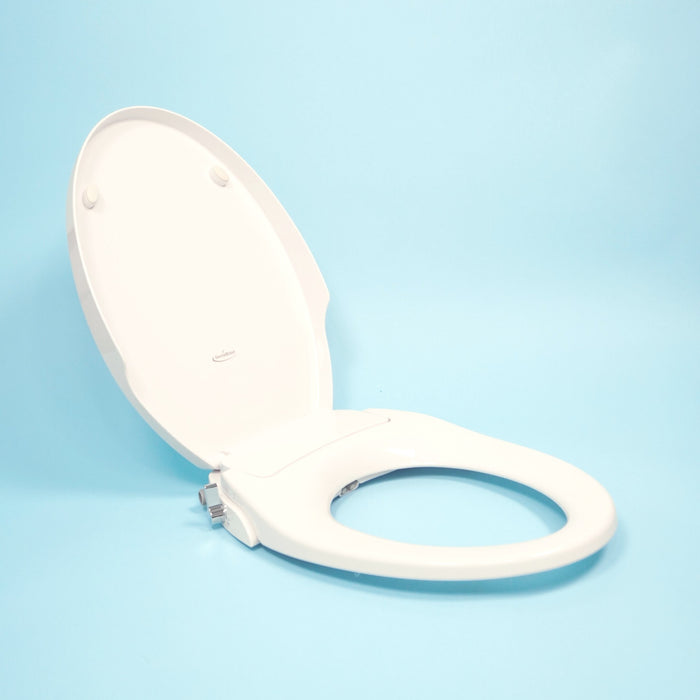
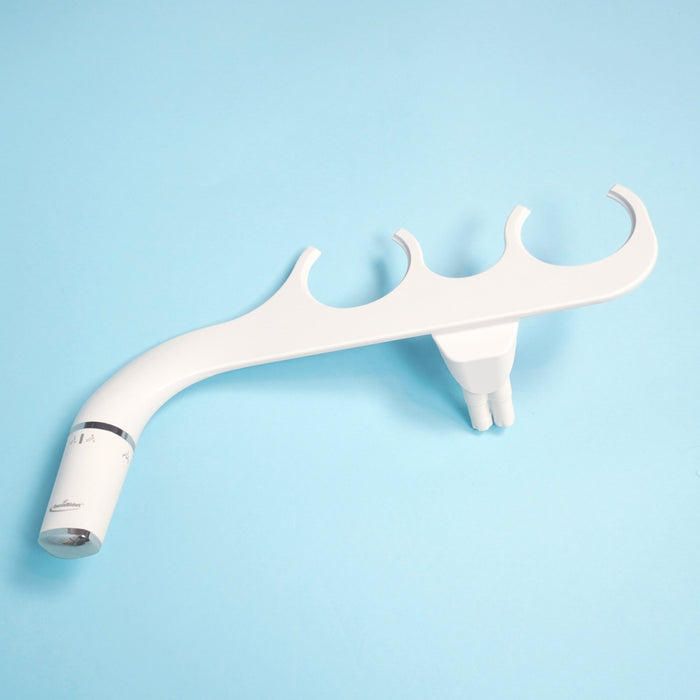
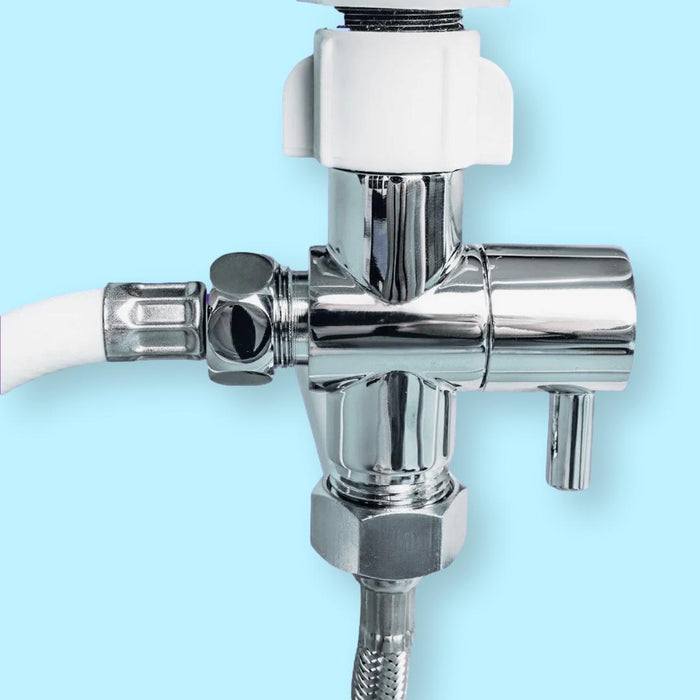
A bidet attachment fits between an existing toilet seat and bowl, connects to the cold-water supply line with a T-connector, and installs without plumbing or electrical work. The holdout country finally had a practical route in.
The Bidet Attachment That Fits What You Already Have
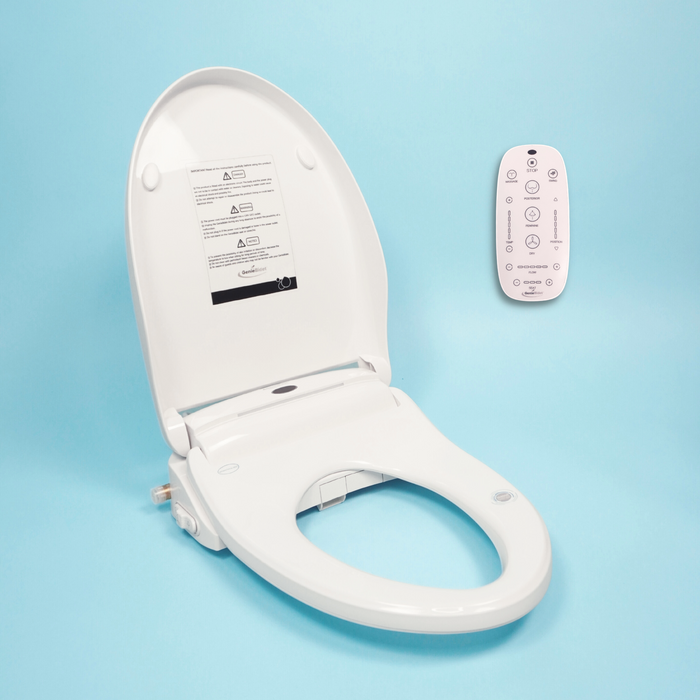
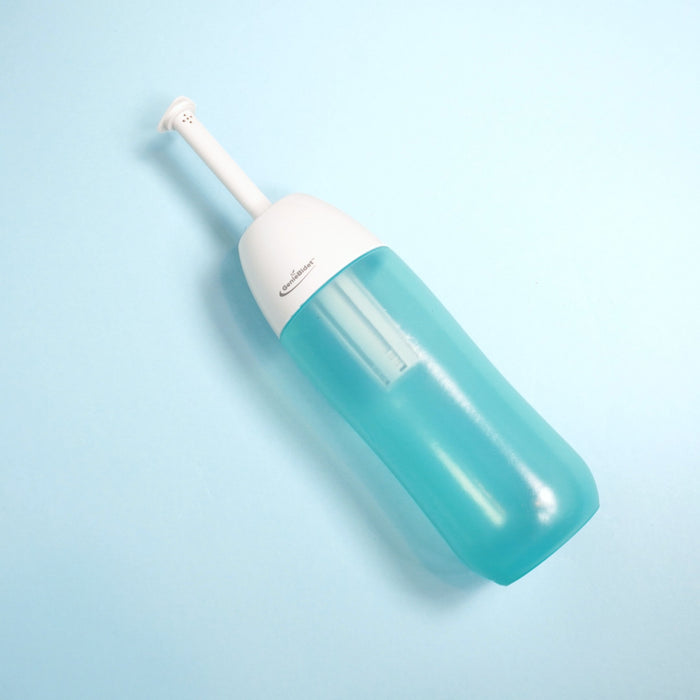
If you've been curious but assumed a bidet required a bathroom remodel, the GenieBidet attachment is designed for standard US toilets. It's non-electric, uses ambient-temperature water, and goes on in about 15 minutes without a plumber or an electrician.
The bidet attachment that WWII soldiers couldn't talk about turns out to be one of the simpler things you can
add to your bathroom. The stigma had a good 75-year run.