

· By David Olu
What a Colorectal Surgeon Wishes You Knew About Hemorrhoids and Wiping
Dry paper removes some matter. It also abrades skin, triggers itch cycles, and worsens the
conditions most people are trying to soothe — hemorrhoids chief among them. The case
for using a bidet for hemorrhoids starts with what dry paper does to already-irritated tissue. Colorectal specialists have understood this for years.
The condition is called pruritus ani — chronic anal itching — and it's more common than most people admit. Cleveland Clinic lists excessive wiping as one of the two most common causes. Not inadequate wiping. Excessive wiping.
The logic seems backward until you understand what dry paper does to delicate tissue.
The Mechanics of the Problem
The skin around the anal canal is among the most sensitive on the human body. It's thin, vulnerable to moisture-related breakdown, and dense with nerve endings. Dry toilet paper — particularly the rough grades
— creates friction against that tissue with every pass. When there's existing inflammation from hemorrhoids, a fissure, or irritation, that friction becomes a mechanical stressor on already-stressed tissue.
The resulting cycle is well-documented in anorectal medicine. A hemorrhoid causes itching. The person wipes repeatedly to relieve it. The wiping irritates inflamed tissue further. The itch intensifies. More wiping follows.
According to proctology sources, repetitive trauma can chronically activate nerve fibers in perianal skin — meaning the irritation becomes self-sustaining, independent of any underlying condition. The paper keepsthe cycle spinning.
What the Research Says About Using a Bidet for Hemorrhoids
A 2022 systematic review published in Evidence-Based Complementary and Alternative Medicine (available
on PubMed Central as PMC9173983) examined the medical literature on bidet use and anorectal conditions. The review found that for post-hemorrhoidectomy patients, bidet use was non-inferior to sitz baths — a long-established recovery standard — for pain relief. Two prospective trials included in the review found no increase in hemorrhoid incidence with regular bidet use, and the cleansing mechanism was consistently described as less traumatic than dry paper on inflamed tissue.
The mechanism is direct: water cleans without contact friction. A gentle stream carries away residue without dragging across irritated skin. No abrasion. No aggravation of the itch-wipe cycle. Harvard Health Publishing notes that hemorrhoids affect a significant portion of adults and that symptoms are often worsened by friction during wiping — making the method of cleansing clinically relevant, not just a comfort preference.
One important caveat from the same literature: high water pressure does not help and can cause its own
damage. A bidet set to low or medium pressure works with the tissue. High pressure pushes against it. The goal is gentle displacement, not force.
The Fissure Factor
Anal fissures — small tears in the tissue lining of the anal canal — require reduced local trauma to heal. Dry wiping provides neither reduced trauma nor the moisture environment that supports tissue repair. Colorectal
clinicians who recommend water cleansing during fissure recovery cite the same basic reasoning: reduce mechanical contact with the wound area.
For people managing both hemorrhoids and fissures simultaneously — which is common, since constipation and straining can produce both — paper alone is fighting against recovery.
The Clean-Paper Misconception
There's an assumption built into paper-only hygiene: wipe until the paper comes back clean, and you're clean. Gastroenterologists have pushed back on this for years. The perianal area has folds and recesses that paper doesn't access cleanly. It smears and absorbs more than it removes.
The comparison most clinicians reach for is practical: if you got mud on your arm, paper would smear it.
You'd use water. The location makes the question more personal, but not more complicated.
Skin Condition Overlap
People managing psoriasis, contact dermatitis, or eczema in or near the perianal area often find that standard commercial toilet paper significantly worsens symptoms. Many commercial brands contain dyes, fragrances, or bleaching chemicals that are established skin irritants. Switching to water cleansing removes all of those exposures at once, without requiring a change in diet, medication, or anything else.
Cleveland Clinic's own guidance on pruritus ani recommends avoiding rough toilet paper and, when dry options cause irritation, moistening paper with lukewarm water. A bidet does what the moistened-paper recommendation is trying to approximate — with more consistency and less effort.
This article is informational and does not constitute medical advice. If you are experiencing hemorrhoids, anal fissures,
or chronic perianal irritation, consult a licensed healthcare provider.
A Gentler Method for Your Bathroom
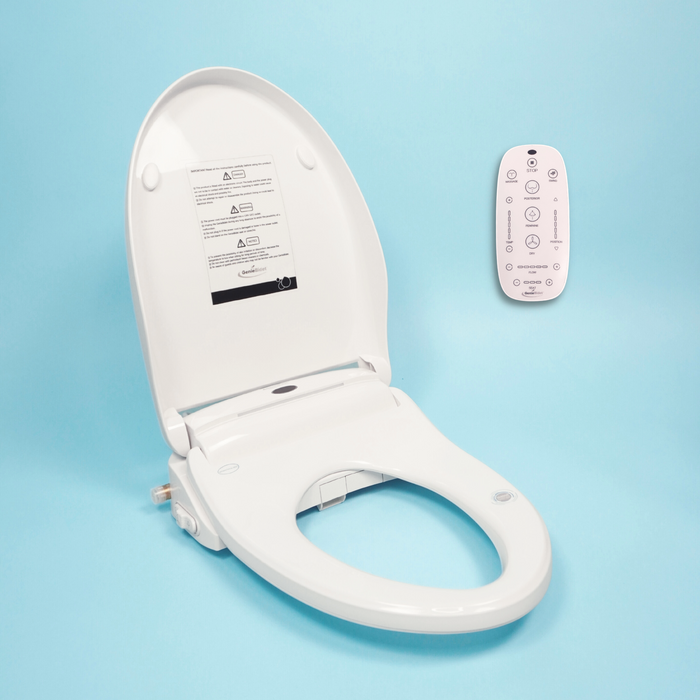
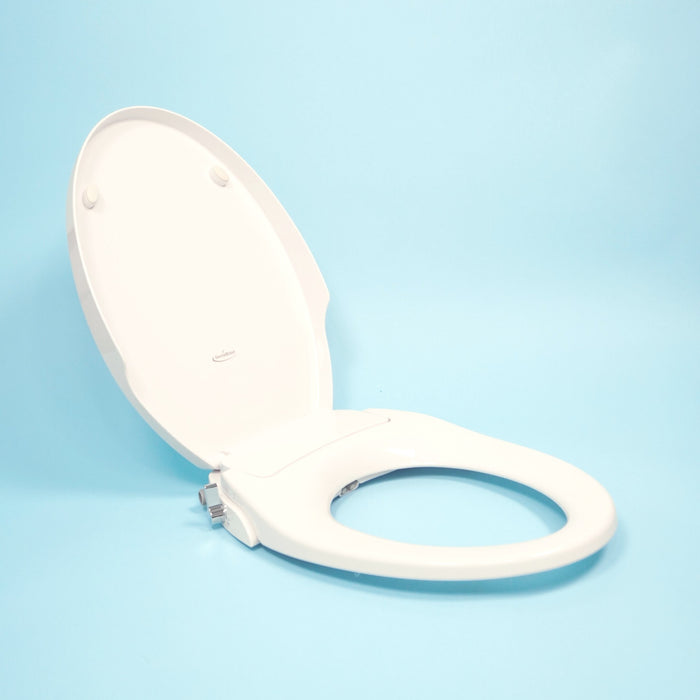
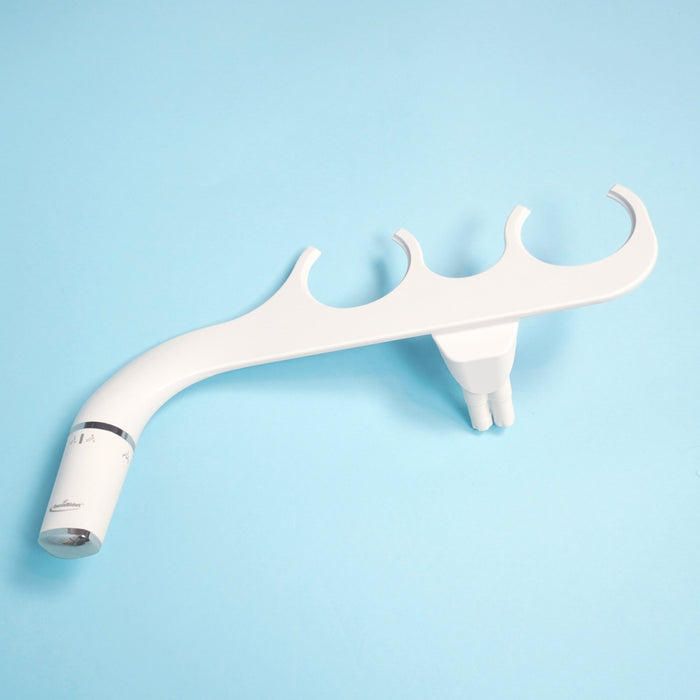
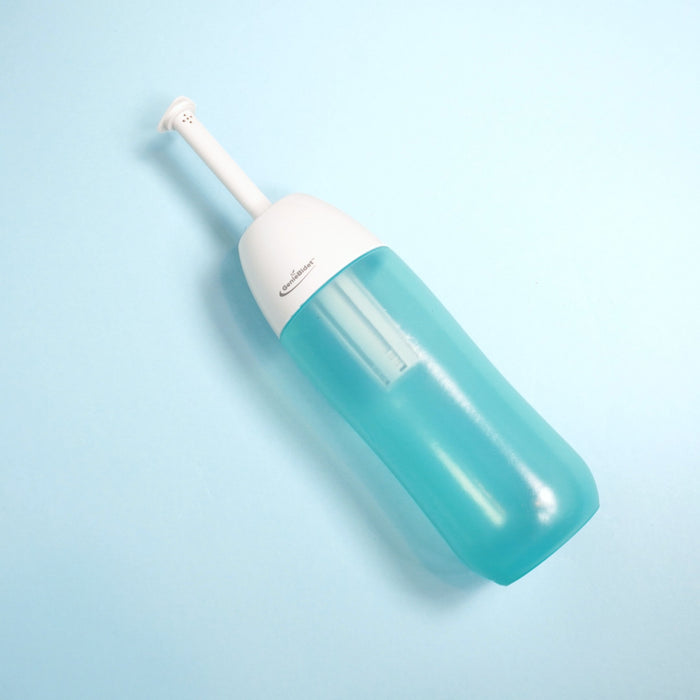
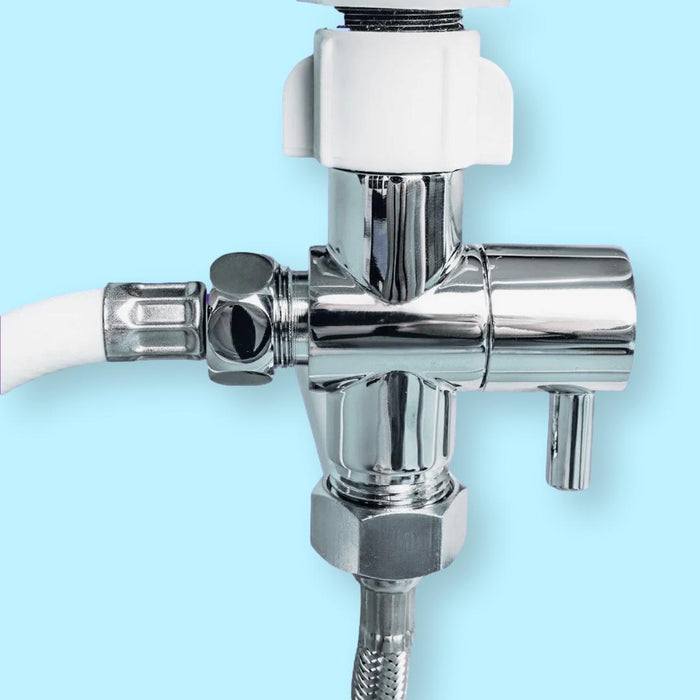
The simplest way to shift away from dry wiping is a non-electric bidet attachment. If you deal with hemorrhoids and want a gentler cleansing option, the GenieBidet attachment installs in about 15 minutes — no electrical work, no plumber — and uses adjustable-pressure ambient water so you can find the setting that works without creating new irritation.
Using a bidet for hemorrhoids isn't a medical treatment.