



· By David Olu
The Toilet Paper Alternative Growing 35 Inches a Day
The fastest-growing plant on Earth can add 35 inches of height in a single day. Guinness World Records gives that title to bamboo — and right now, bamboo is the star of a booming search for a toilet paper alternative. The reason the search exists at all comes down to what conventional toilet paper is quietly doing to one of the world's most important forests.
The Forest in the Roll
The Natural Resources Defense Council has spent years documenting where American toilet paper comes from. Its "Issue with Tissue" reports trace much of the supply chain to the boreal forest of Canada, a vast belt of spruce and fir that stores enormous amounts of carbon and shelters caribou, songbirds, and hundreds of Indigenous communities.
The logging industry clearcuts about one million acres of boreal forest each year, and that pace has helped push Canada to third in the world for loss of intact forest — behind only Russia and Brazil. Part of that harvest becomes pulp for American tissue products. NRDC's scorecards have repeatedly flagged major brands, most notably Charmin, for relying almost entirely on virgin pulp rather than recycled fiber.
Virgin pulp means the tree grew for decades, was cut, ground, bleached, rolled, wrapped in plastic, trucked to a store, and then used for a few seconds before being flushed. As product life cycles go, it is hard to design a worse one.
Enter the Grass That Sprints
Bamboo looks like the perfect escape hatch. Technically a grass, it regrows from its own root system after cutting, so harvesting doesn't kill the plant. Where a spruce needs decades to reach harvest size, bamboo can be ready in a few years — and during peak growth, certain species put on those record-setting 35 inches per day.
The market has noticed. Analysts at HTF Market Intelligence project the global bamboo toilet paper market to grow around 16 percent a year through 2030, several times the pace of the conventional toilet paper business. Bamboo rolls now sit on mainstream shelves, wrapped in paper instead of plastic, promising forest-free wiping.
To be fair, bamboo paper earns part of its halo. NRDC's own scorecards rate bamboo-based tissue well above virgin-forest brands, especially when the bamboo is certified as responsibly grown.
The Part the Label Doesn't Say
But look at what bamboo toilet paper still is: a single-use product that must be grown, harvested, pulped, bleached, dried, rolled, packaged, and shipped — often across an ocean — so that you can use it once and flush it. A faster-growing plant shrinks the forest problem. It does not touch the disposability problem.
Every roll of any paper, bamboo or spruce, carries the same basic math: water and energy go into manufacturing it, fuel goes into moving it, money leaves your wallet buying it, and the whole product ends its life in your sewer within days of arriving in your bathroom. The average American works through dozens of rolls a year. Swapping the plant species changes the ingredients. It doesn't change the treadmill.
The Alternative That Isn't Paper
Here's the pivot the bamboo boom keeps missing: the strongest toilet paper alternative was never a different paper. It's water — the thing already plumbed into your bathroom wall, delivered by pipe, with no packaging, no shipping container, and no acreage anywhere growing on your behalf. Most of the world already cleans with water and uses a small amount of paper only for drying. That approach cuts paper use dramatically without asking a single forest, or bamboo grove, to keep up with demand.
Water, Already Installed
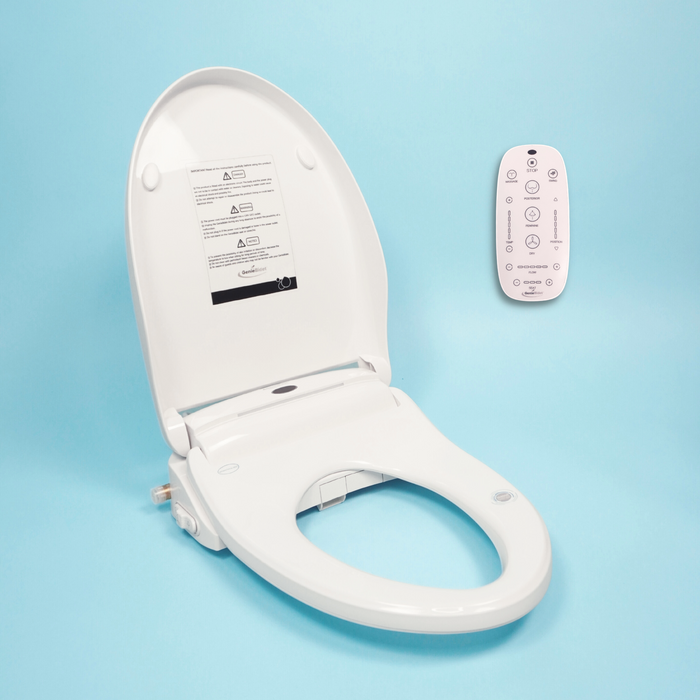
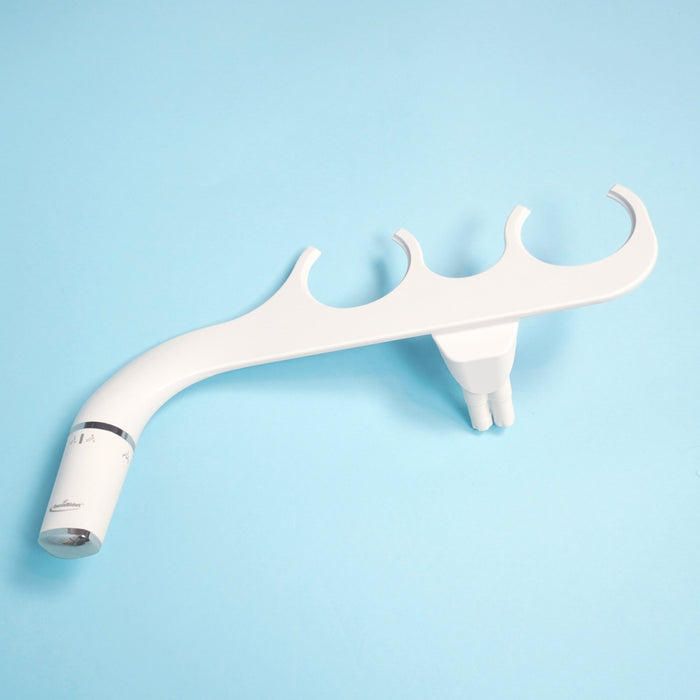
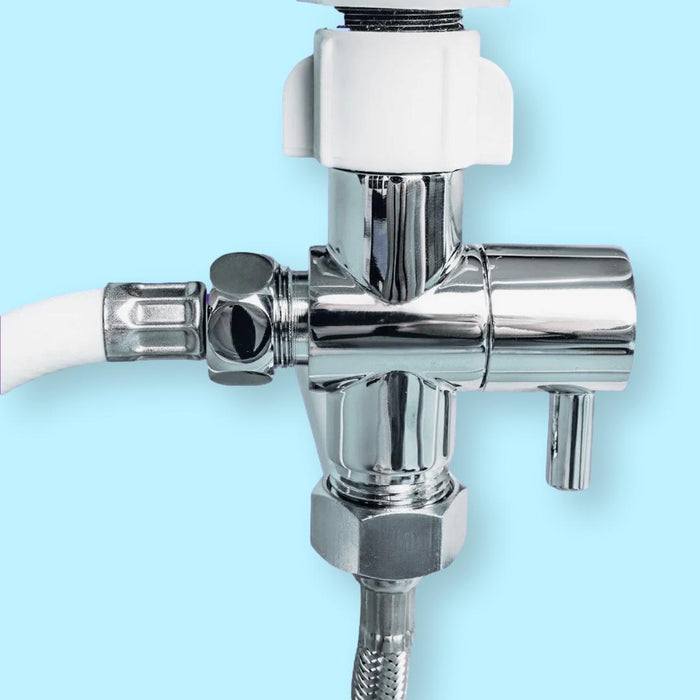
A GenieBidet Classic seat makes the switch about as undramatic as it gets. It's non-electric, runs on your home's ordinary water pressure at ambient temperature, and replaces your existing toilet seat in around 15 minutes with no wiring and no plumber. Dual self-cleaning nozzles handle rear and feminine wash, and the paper you still keep on hand gets demoted to a drying role — a job even a modest roll can handle for weeks. If you've been comparing bamboo brands in search of a better roll, the Classic GenieBidet seat is the version of the answer that doesn't need to grow 35 inches a day.